Innovative Online Learning Strategies at GlobalBridge School
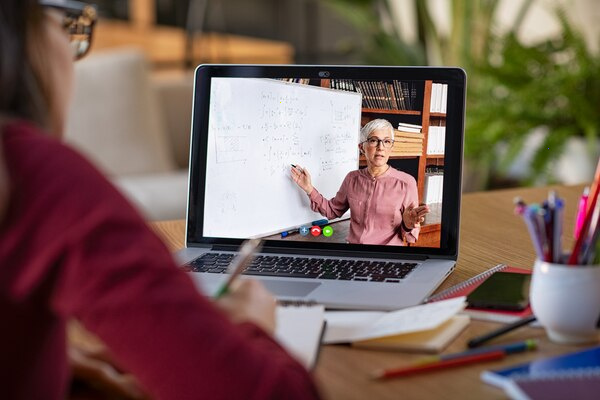
GlobalBridge School has become a strong example of how online education can be both innovative and deeply human-centered. Its strategies combine technology, pedagogy, and community-building in ways that address the real challenges of digital learning: distraction, isolation, and uneven engagement. Below are the core approaches that define GlobalBridge’s model and why they matter.
1. Blended-Synchronous Learning: The Best of Live and Self-Paced
Instead of choosing between fully live or fully asynchronous classes, GlobalBridge uses a blended-synchronous model:
- Short, focused live sessions: Interactive classes emphasize discussion, problem-solving, and feedback rather than long lectures. Content delivery is minimized; engagement is maximized.
- High-quality asynchronous modules: Pre-recorded micro-lectures, interactive readings, and quizzes allow students to absorb core content at their own pace.
- Clear learning paths: Each week, students see a structured path: pre-work → live session → practice → reflection. This reduces cognitive overload and helps students manage time effectively.
The result is a more flexible, yet still highly structured experience, which supports different learning styles without sacrificing accountability.
2. Personalized Learning Pathways Through Data
GlobalBridge relies on learning analytics to personalize education while avoiding a purely algorithm-driven experience:
- Adaptive assessments: Diagnostic quizzes at the beginning of each unit identify gaps in understanding, and the platform recommends targeted activities, videos, or readings.
- Dynamic difficulty: Practice tasks adjust in complexity based on performance, keeping students in the “zone of proximal development”—not too easy, not too hard.
- Teacher-informed personalization: Data dashboards highlight which concepts individual students and groups struggle with. Teachers review this data to tailor live sessions, group formation, and one-on-one support.
By combining data insights with professional judgment, GlobalBridge maintains both efficiency and humanity in personalization.
3. Active Learning by Design, Not by Accident
To combat passive screen time, GlobalBridge designs every online course around active learning:
- Frequent low-stakes activities: Polls, mini-quizzes, collaborative whiteboards, and short writing prompts appear every few minutes in live sessions.
- Problem- and project-based tasks: Students work on authentic problems—case studies, simulations, and projects connected to real-world contexts.
- Flipped content: Explanations and demonstrations move outside the live lesson; synchronous time is used for application, discussion, and coaching.
This approach keeps students mentally present and makes understanding more durable than through lecture alone.
4. Community-Centered Virtual Classrooms
GlobalBridge treats community-building as a design priority rather than a by-product:
- Structured relationship-building: Icebreakers, rotating partners, and small-group norms are built into the first weeks of every course.
- Stable learning cohorts: Students are placed in semi-permanent small groups that collaborate across multiple assignments and sometimes across courses.
- Virtual homerooms and advisory: Dedicated advisory sessions focus on social-emotional learning, study habits, digital well-being, and goal-setting.
This emphasis on relationships counters the isolation often associated with online learning and improves both motivation and retention.
5. Multimodal Content for Diverse Learners
Recognizing that students process information differently, GlobalBridge invests in rich, accessible content:
- Multiple formats: Key concepts appear in text, video, audio, diagrams, and interactive visualizations.
- Built-in supports: Transcripts, subtitles, text-to-speech, adjustable playback speed, and readability options are standard.
- Universal Design for Learning (UDL): Courses are planned with UDL principles, giving students multiple ways to access material, demonstrate understanding, and engage with content.
This inclusive approach supports students with diverse needs while raising the overall quality of the learning experience.
6. Global Collaboration and Cross-Cultural Competence
As its name suggests, GlobalBridge leverages its international reach as a pedagogical asset:
- Cross-border projects: Classes frequently include joint projects with peers from other countries, fostering intercultural communication.
- Global themes in the curriculum: Units often connect subject matter to global issues—climate change, digital ethics, economic inequality, public health.
- Time-zone-aware design: Activities that require simultaneous participation are limited, and many collaborative tasks are asynchronous, using shared documents, forums, and messages.
Students not only learn content but also practice working across cultures and time zones, mirroring modern professional environments.
7. Continuous Feedback and Assessment for Learning
Assessment at GlobalBridge is positioned as a tool for growth:
- Formative feedback loops: Short, regular check-ins and auto-graded quizzes give immediate feedback while also informing teachers about who needs help.
- Rubrics and exemplars: Clear criteria and high-quality examples make expectations transparent and help students self-assess.
- Student reflection: Learners regularly review their own progress, set goals, and write brief reflections on challenges and strategies.
By normalizing frequent assessment, GlobalBridge reduces test anxiety and reinforces a culture of continuous improvement.
8. Teacher Empowerment and Professional Learning
Innovative online learning depends as much on teachers as on technology. GlobalBridge invests heavily in its educators:
- Specialized training in online pedagogy: Teachers learn how to design digital experiences, facilitate online discussions, and use data dashboards effectively.
- Collaborative course design: Subject experts, instructional designers, and technologists co-create courses, leading to stronger structure and more engaging activities.
- Ongoing professional communities: Internal communities of practice, peer observations, and feedback cycles create a culture of experimentation and shared learning.
Empowered teachers are more likely to innovate, adapt, and maintain high standards in the virtual environment.
9. Safe, Ethical, and Well-Managed Use of Technology
GlobalBridge consciously addresses the ethical and practical dimensions of digital schooling:
- Privacy-by-design platforms: Tools are selected and configured with strong privacy and security standards.
- Digital citizenship education: Students are explicitly taught about online safety, digital footprints, misinformation, and respectful communication.
- Balanced screen time: Courses integrate offline tasks—reading physical texts, hands-on experiments, and real-world observation—to avoid an “always-on” screen culture.
This minimizes risk and teaches students to use technology critically and responsibly.
10. Iterative Improvement Through Evidence
Finally, GlobalBridge treats its learning model as an evolving system, not a fixed product:
- Data-informed program review: Completion rates, engagement metrics, assessment results, and student feedback inform ongoing course refinements.
- Pilot and scale model: New strategies and tools are tested in small pilots before being expanded, ensuring that innovation is evidence-based.
- Student voice in design: Learner surveys, focus groups, and advisory panels provide qualitative insights that numbers alone cannot capture.
By continuously interrogating its own practices, GlobalBridge remains adaptable and responsive to changing needs.
Through this combination of blended-synchronous structures, personalization, active learning, global collaboration, and thoughtful use of technology, GlobalBridge School demonstrates how online education can move beyond emergency remote instruction toward a mature, innovative, and learner-centered model. Its strategies illustrate that when pedagogy, community, and technology are aligned, virtual learning can be not only effective, but transformative.